Discover the Buzz with All About Beez
Supply of local Queens and Bees
LOCATED IN INNISFAIL
TROPICAL NORTH QUEENSLAND

At All About Beez, we have been dealing with small hive beetle since it was first discovered in the Cairns region. Laying their eggs in your combs and hatching as slimy maggots these can soon destroy your hard work and your beehive. Ask for tips and advice on the best methods to deal with these.
Apis Cerana. the asian honeybee is another introduced pest found in the Cairns to Townsville region of Queensland. These wild nests of Asian bees will certainly spread the varroa destructor mite quicker in this region. For a small fee we can dispose of these swarms and nests if they are found on your property. ask us for more information.
At All About Beez, we have commenced training and education programs aimed at dealing with the varroa mite when it appears in our local area. rest assured that when these terrible critters arrive the team will be there to help support you manage the incursion and implement a long term plan to protect your bees.
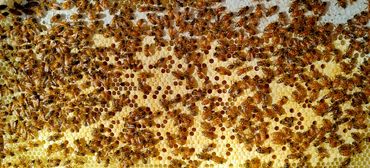
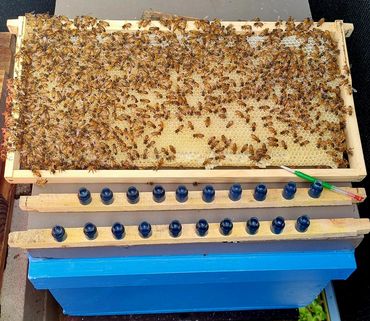
At All About Beez, we have been providing beekeeping services for over 20 years. We started as a small business and have grown to serve the entire community. From removing asian honey bee swarms and nests to providing honey at affordable prices the team is well known through the Cairns and Innisfail communities. We continue to provide excellent service and quality products to our customers.

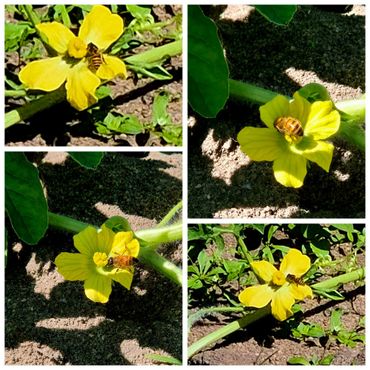
Agriculture is the backbone of food security and rural development, but one natural service often overlooked by farmers is pollination. Pollination is the process by which pollen is transferred from the male part of a flower to the female part, enabling fertilization and seed production. While wind and other insects play a role, bees ar
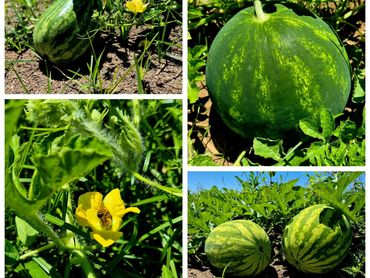
Agriculture is the backbone of food security and rural development, but one natural service often overlooked by farmers is pollination. Pollination is the process by which pollen is transferred from the male part of a flower to the female part, enabling fertilization and seed production. While wind and other insects play a role, bees are the most effective and reliable pollinators in both natural and agricultural systems. 1. The Role of Bees in Pollination Bees are specially designed for pollination: Their bodies are covered with tiny hairs that attract pollen grains. As bees move from flower to flower collecting nectar, they unintentionally transfer pollen. This leads to successful fertilization, which increases fruit set, seed development, and overall yield. Unlike other insects, bees show flower constancy—they tend to visit the same type of flower in one trip, making them more efficient in pollinating crops. 2. How Bees Increase Crop Yields Research and farmer experiences confirm that bee-pollinated crops produce higher yields and better quality harvests than self- or wind-pollinated ones. Benefits of Bee Pollination in Crop Production Higher Yields: Studies show that bee pollination can increase crop yields by 30% to 60%, depending on the crop. Better Quality: Fruits and vegetables become larger, sweeter, and more uniform in shape. Improved Seed Production: Crops like sunflower, sesame, and melon produce more viable seeds when pollinated by bees. Reduced Flower Drop: Bee activity ensures more flowers are fertilized instead of drying up. Extended Harvest Period: Some crops flower better with steady pollination, giving farmers more consistent harvests. Crops That Depend Heavily on Bees Cash Crops: Cocoa, cashew, coffee, and cotton. Fruit Crops: Mango, citrus, guava, watermelon, lychees and pawpaw. Vegetables: Tomato, cucumber, pumpkin, pepper, and gardens. Oil & Seed Crops: Sunflower, sesame, groundnut, and soybean. Without bees, the productivity of these crops would drop drastically, threatening both farmers’ income and national food security. 3. Economic Value of Pollination Services Globally, bee pollination is estimated to contribute billions of dollars annually to agricultural production. Farmers who keep or hire bees for pollination services enjoy: Increased marketable produce. Greater income from high-quality crops. Reduced reliance on synthetic inputs since nature does the work. 4. Bees and Food Security Pollination services are directly linked to food security because: They increase food availability (more yields). They enhance nutrition (bee-pollinated crops are rich in vitamins, minerals, and antioxidants). They strengthen farmer livelihoods by diversifying sources of income (crops + honey production). 5. Why Farmers Should Value Pollination Services No matter how fertile the land is, crops without pollinators will struggle. Integrating beekeeping into farming boosts both honey harvests and crop yields. Farmers who welcome bees on their farms are practicing climate-smart agriculture and contributing to biodiversity conservation. At All About Beez, we believe in the power of bees to transform agriculture. We specialize in training farmers, establishing apiaries, and promoting pollination services that boost crop productivity and ensure food security.
At All About Beez, we believe in sustainable agriculture that focuses on long-term profitability and environmental responsibility. We work closely with our clients to ensure that their needs are met while also preserving the health of the land.